The Luxury of a Moment
When the Real Luxury Is Not the Product, but Entry Into the World Around It
Luxury
Experience Economy
Spatial Branding
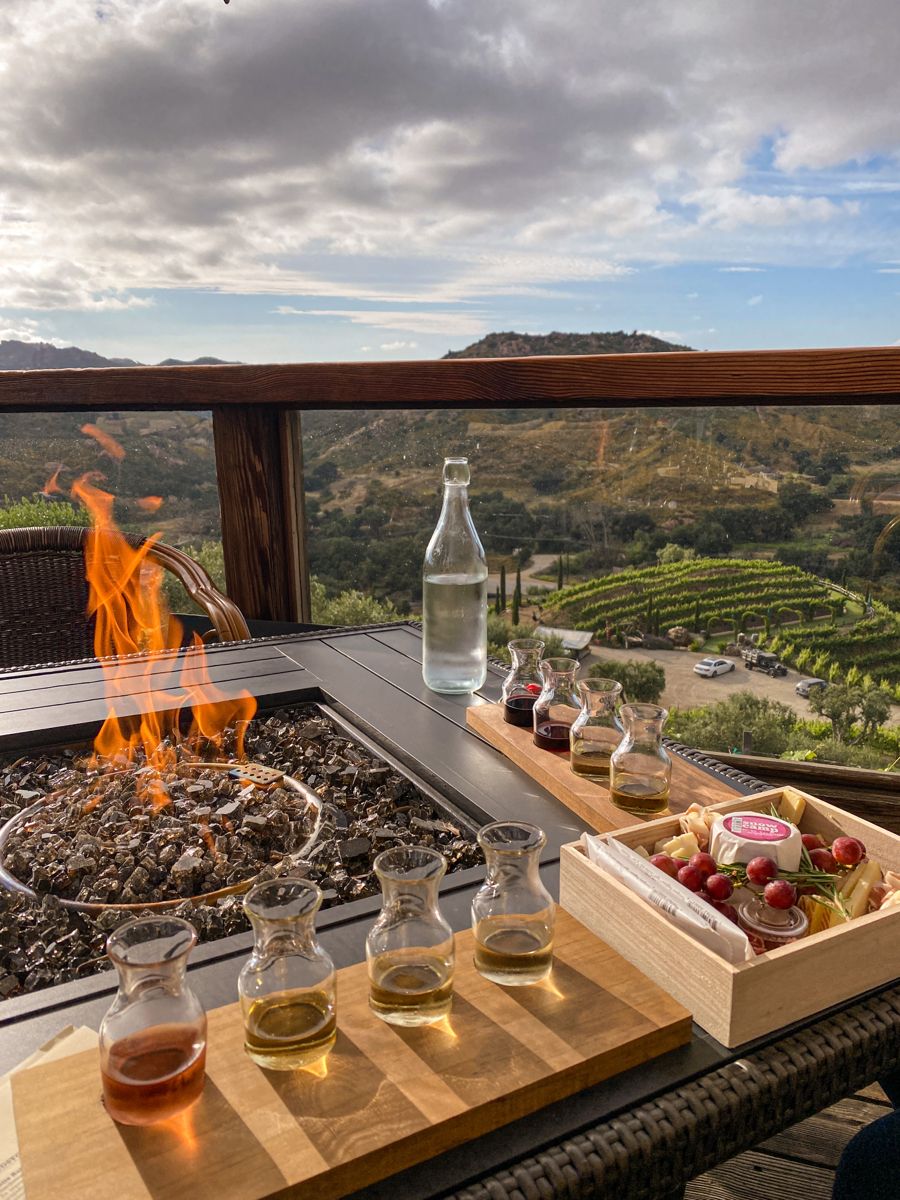
I recently saw a video filmed at a vineyard in Malibu. A couple sat at a wooden table between rows of vines, sunlight cutting across the hills, a glass of wine beside a small charcuterie board with prosciutto, olives, soft cheeses, honey, and bread.
The board cost seventy dollars.
In the comments, people were furious.
Seventy dollars for a few pieces of meat and cheese?
But the price was never about the food.
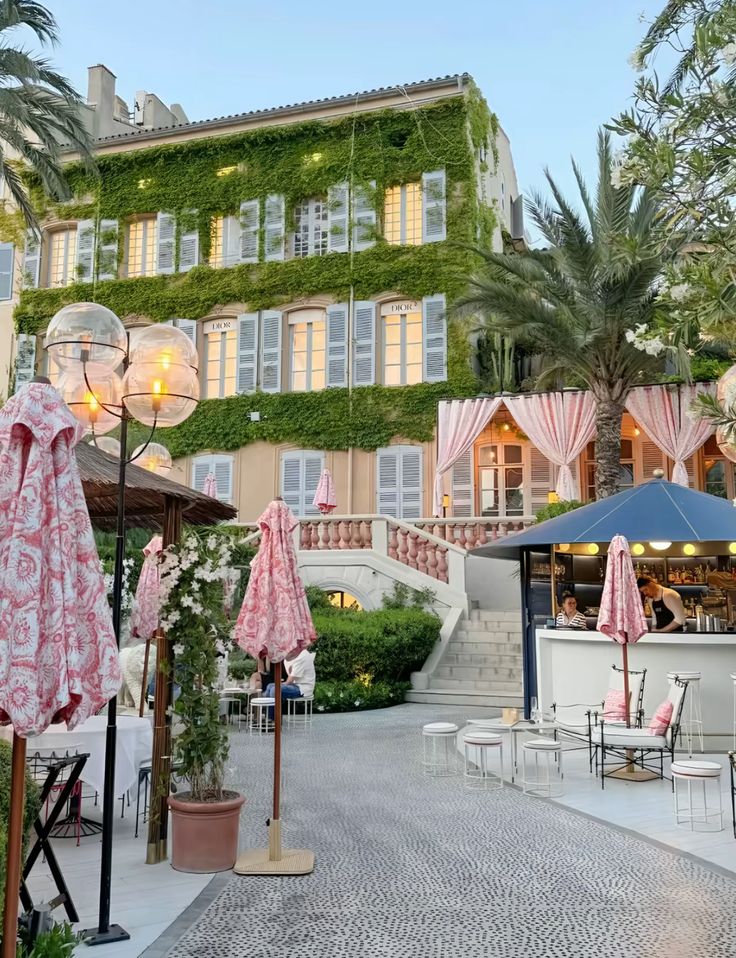
The board was only the excuse. What people were actually paying for was the vineyard itself. The quiet. The landscape. The atmosphere of being somewhere beautiful and intentionally composed. They were paying for the view, the moment, and the shared understanding among everyone present that this place was worth being in.
What the comments revealed was not outrage over price. It was a misunderstanding of what was actually being sold.
In most consumer culture, value is still measured through the object itself. The portion size. The material. The thing that can be carried home and accounted for. But in many of today’s most compelling luxury spaces, the object has become secondary.
The product is no longer the offering.
It is the entry point.
What is being sold instead is access. Access to a place, a rhythm, an atmosphere, a temporary world designed to evoke a particular feeling. The charcuterie board justified the transaction. The real product was the experience of being there.
When Luxury Becomes Experiential
This shift reflects something larger taking place across the luxury industry.
Economists and marketing theorists have described it as the experience economy, a phase in which businesses no longer compete only through goods or services, but through the creation of memorable experiences that people actively participate in. In this model, the object is still present, but it is no longer enough on its own. It becomes part of a larger narrative.
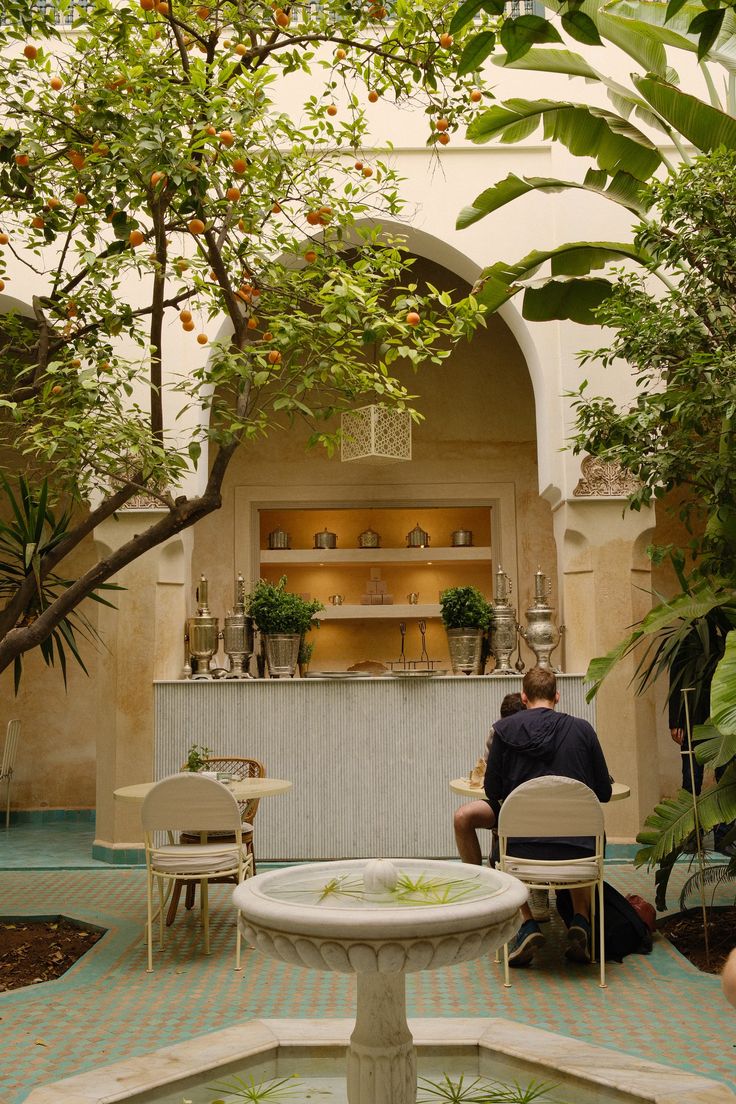
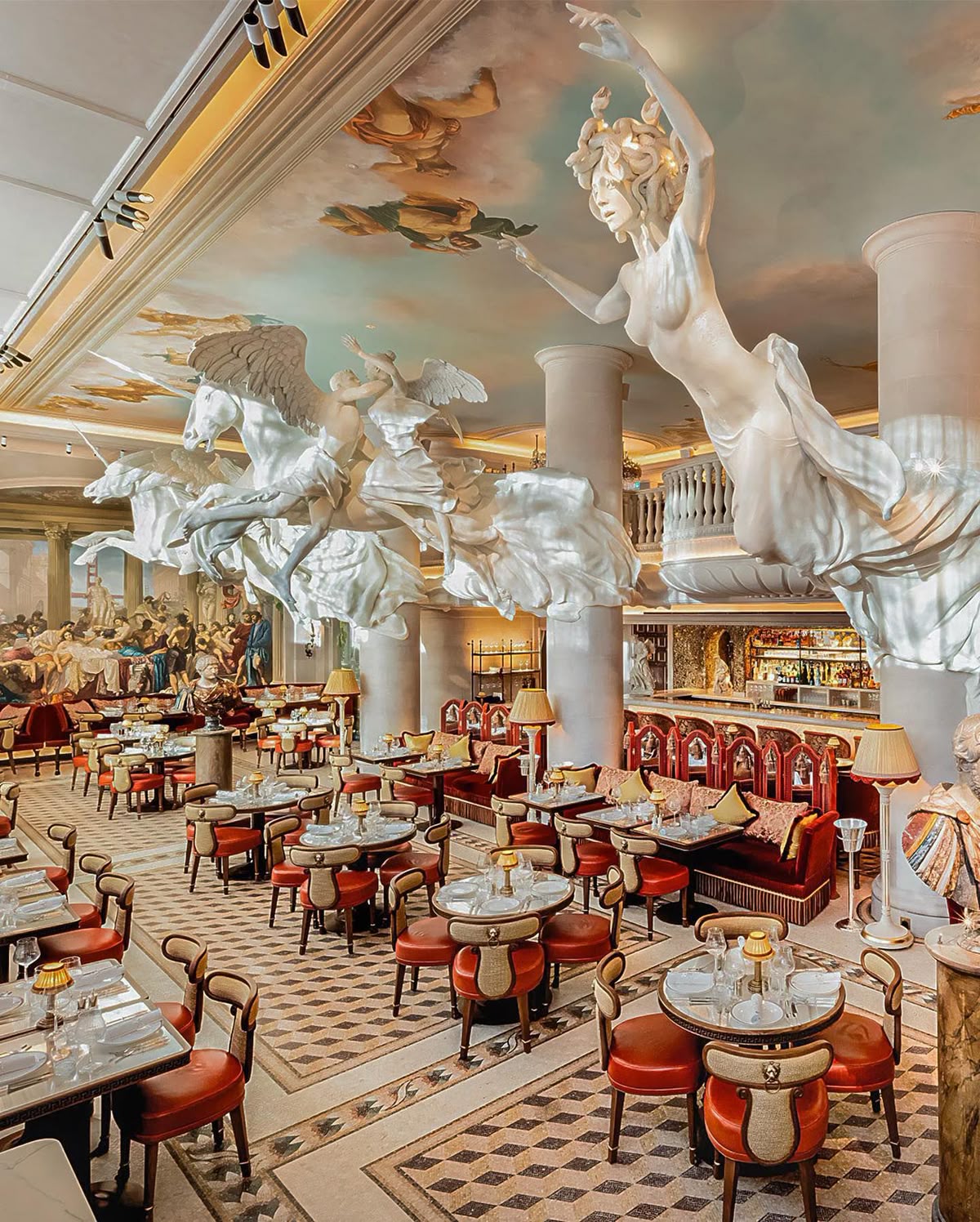
A restaurant does not simply sell food. It creates atmosphere, ritual, and mood.
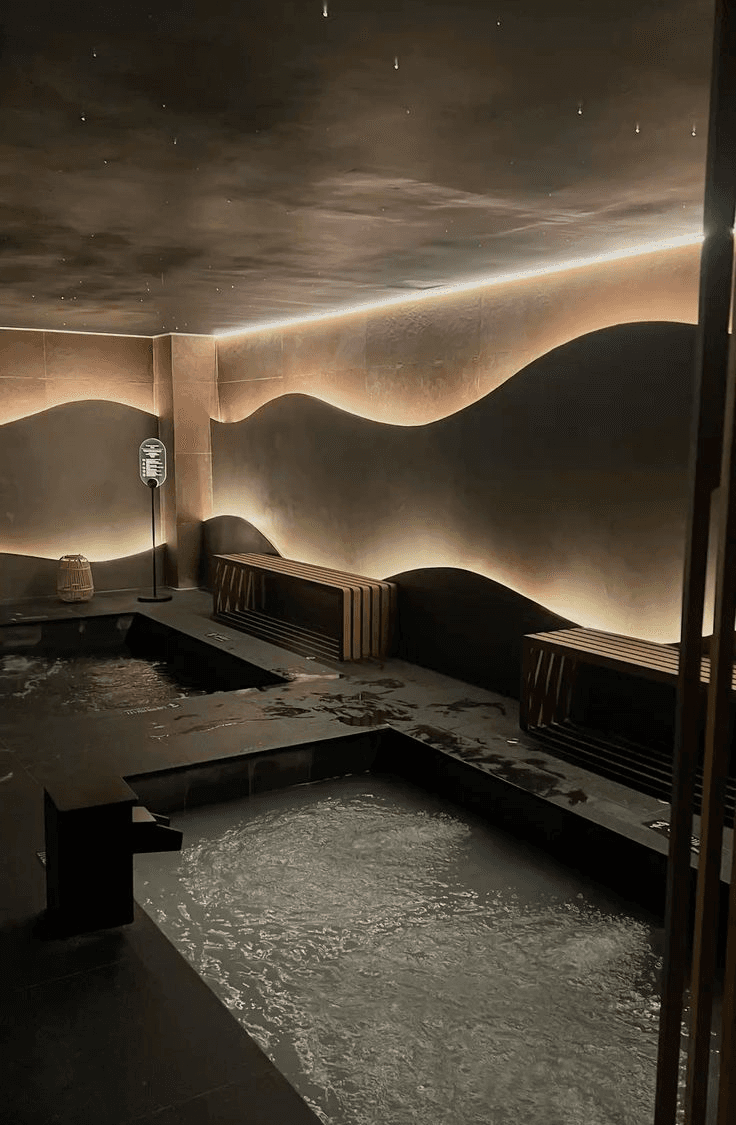
A hotel does not just offer a room. It constructs escape.
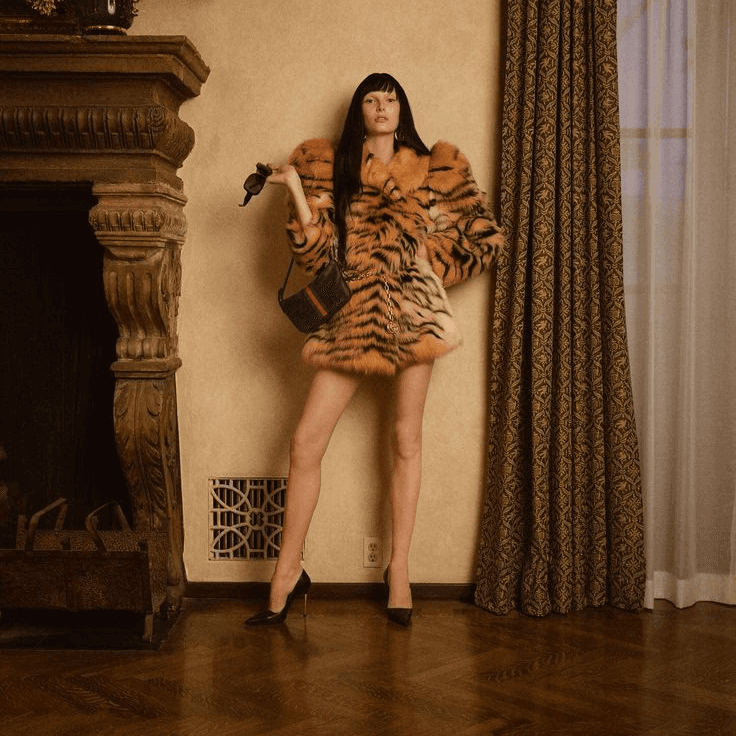
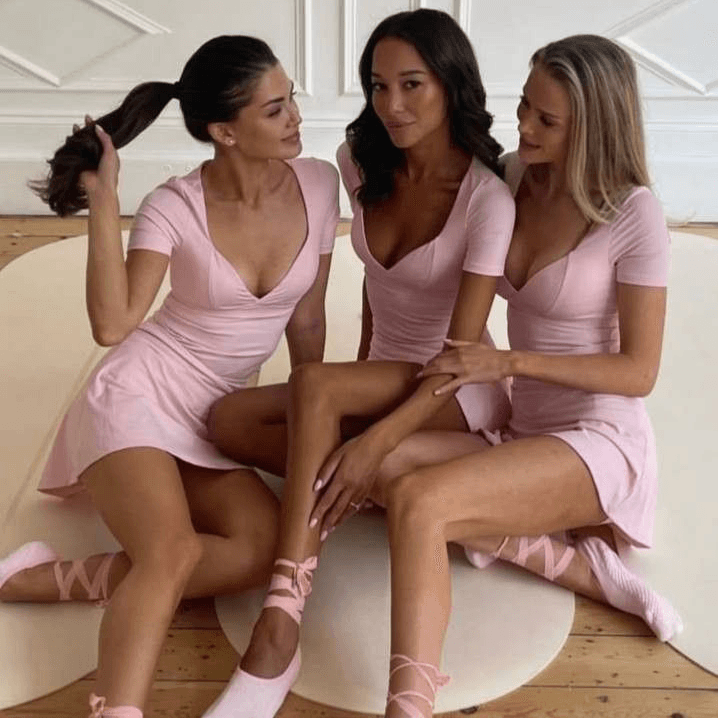
A luxury brand does not merely sell products. It invites people into a world.
That distinction matters because it changes how value is perceived. Once the experience becomes the true offering, the object begins to function differently. It is no longer the center of meaning. It becomes a gesture, a marker, a reason to enter. What is remembered most is often everything surrounding it.
Why Access Feels More Luxurious Now
Experiences feel luxurious partly because they are harder to reproduce.
A handbag can be copied. A logo can be replicated. Entire aesthetics move across the internet in a matter of weeks. But environments are far more resistant to imitation. A vineyard overlooking the Pacific at sunset cannot be mass-produced. A beautifully paced afternoon shared among people who chose to be there cannot be downloaded, duplicated, or resold in quite the same way.
That is what makes these moments powerful. They exist once, in one place, under one set of conditions. Their value comes not only from beauty, but from presence. From timing. From atmosphere. From the sense that what is being experienced cannot be separated from where it is happening.
In that sense, one of the most compelling luxury offerings today may not be the product at all.
It may be access.
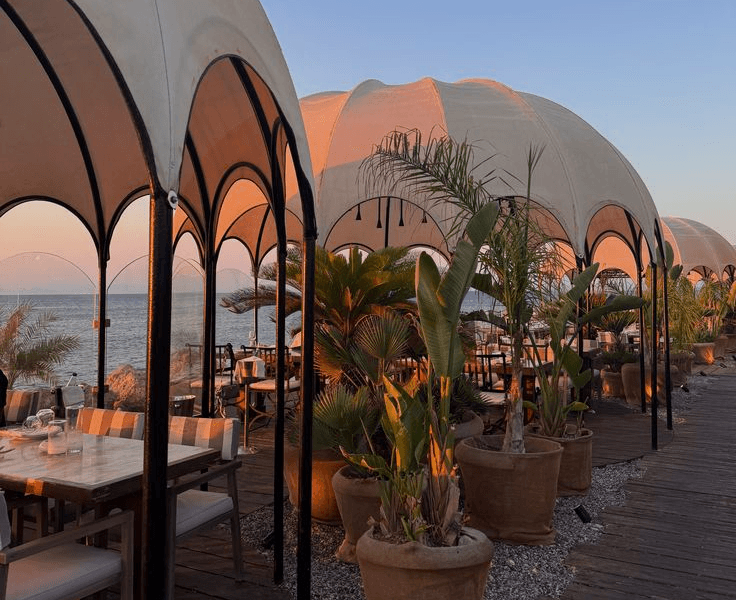
Environment as the Real Marker of Luxury
Luxury, at its core, has always been tied to environment.
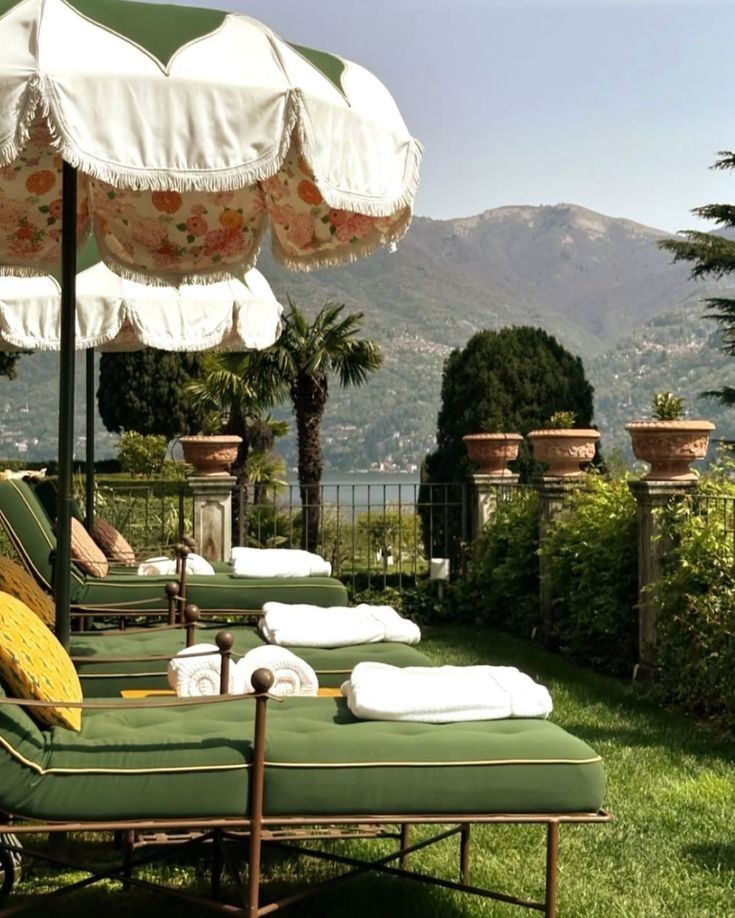
Not just expensive objects, but atmosphere. A place feels luxurious when the surroundings are thoughtful, when architecture respects its setting, when nature is not treated as backdrop but as part of the experience itself. The most memorable luxury moments often happen in places where nothing feels rushed. A quiet town along Lake Garda. A terrace overlooking Lugano. A vineyard where the rhythm of the day follows light and weather rather than schedule.
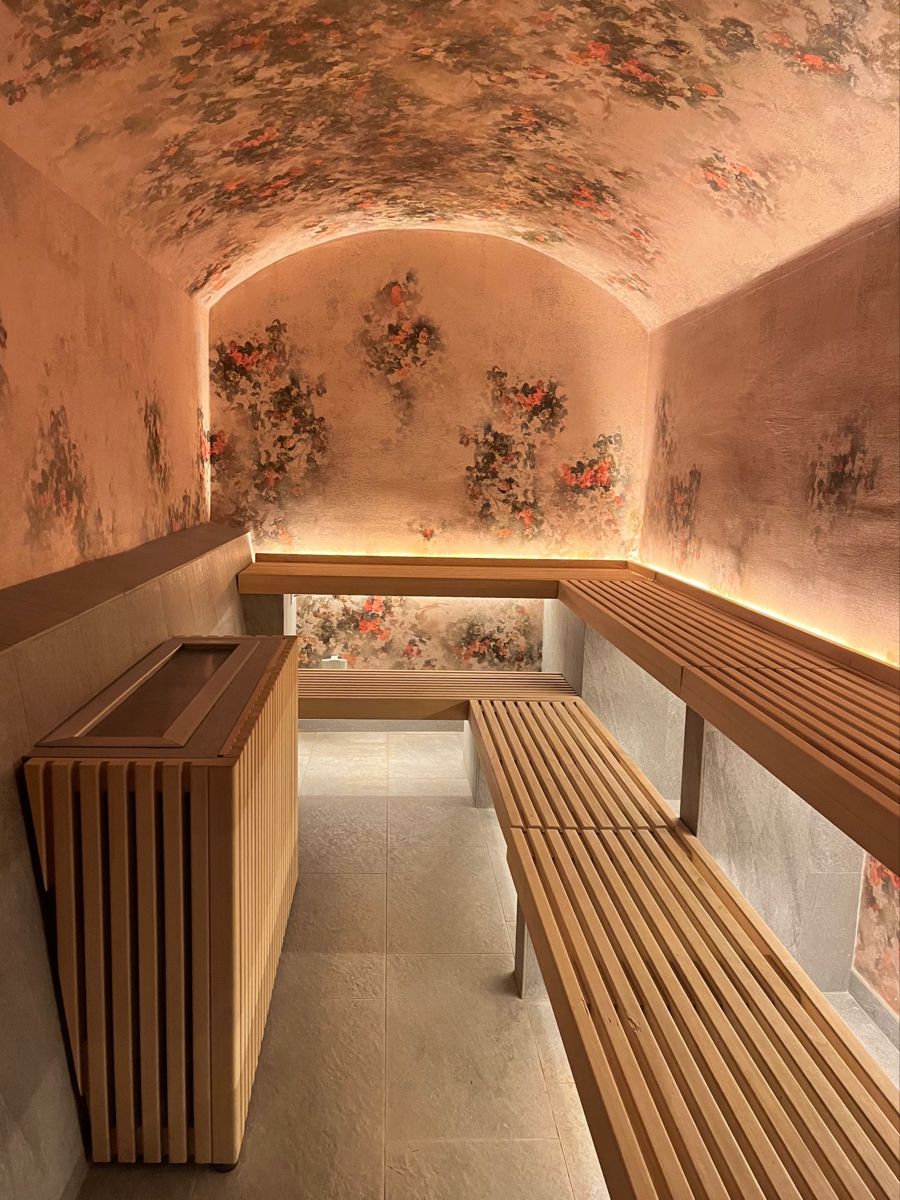
These environments ask something different of people. They slow perception. They make room for detail. They allow craftsmanship, space, sound, scent, and texture to be fully absorbed. They turn attention into part of the experience.
This is part of why experiential luxury feels so powerful now. It restores a sense of immersion that object-based consumption often cannot. It gives people something increasingly rare, which is the feeling of entering a fully considered world and being allowed to remain there long enough for it to register.
The Product as Artifact
Luxury brands are beginning to design around this principle more deliberately.
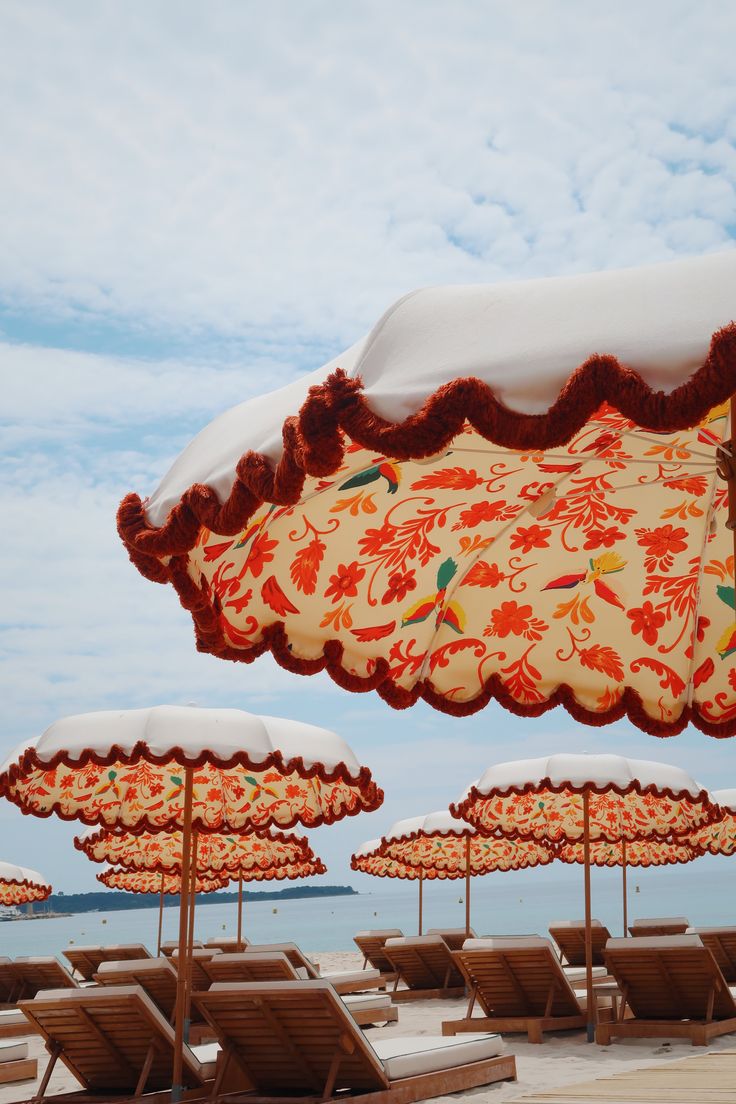
Stores are becoming cultural spaces rather than simple points of purchase. Hospitality groups are building vineyard harvests, coastal retreats, and intimate culinary events. Fragrance houses invite guests to create scent in lavender fields. Fashion houses open ateliers and allow clients to witness craftsmanship in person.
In these moments, the product becomes something else.
Not the destination.
The artifact.
It carries the memory of where someone was, what they felt, and the world they briefly stepped into. Its value is no longer located only in material or design, but in the experience that now surrounds it.
That is what makes the product more meaningful, not less. It becomes evidence of entry.
The Price of Entering the World
Seen through this lens, the seventy-dollar charcuterie board begins to make perfect sense.
The board itself was never the product being evaluated. It was simply the most visible part of a much larger offering. What people were actually purchasing was access to the vineyard, the landscape, the quiet atmosphere, and the shared understanding that this place was meant to be experienced slowly.
In a world where nearly every object can be copied, reproduced, or redistributed, moments like these carry a different kind of value.
Luxury may still involve beautiful products.
But increasingly, the deepest luxury is the ability to step inside the world that surrounds them.