The Return of Desire
Demna, Gucci, and the Return of Seduction in Luxury Fashion
Fashion
Brand Strategy
Consumer Behavior
Luxury brands rarely lose power because they lack heritage.
They lose power when they lose cultural relevance.
Gucci appears to have reached that point.
After more than a decade of expansion under Alessandro Michele, the house entered a period of uncertainty as consumer attention shifted and sales declined. The attempt that followed, a quieter and more restrained repositioning, failed to generate the charge that once made Gucci feel impossible to ignore.
The mythology softened.
The spectacle disappeared.
The brand grew quiet.
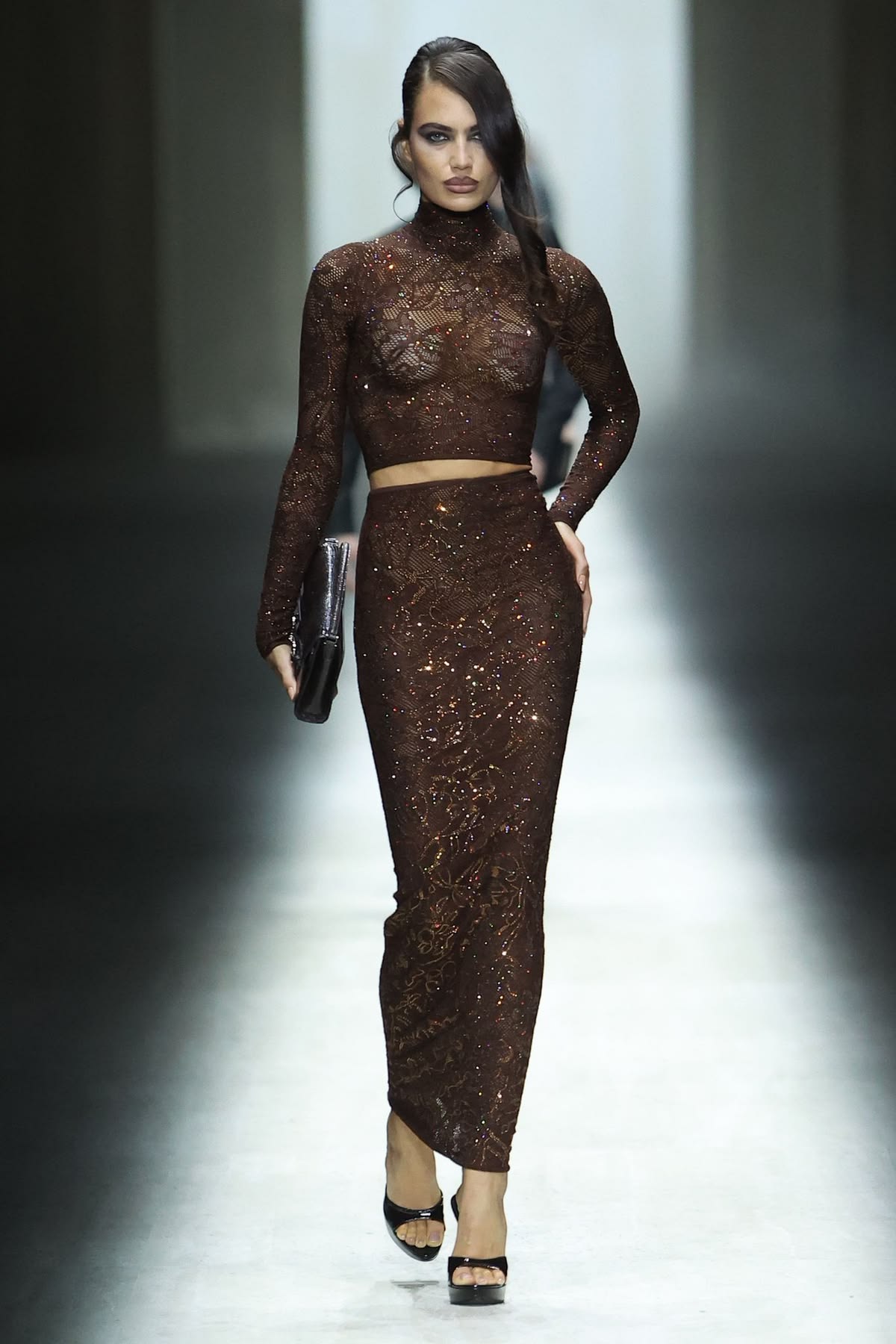
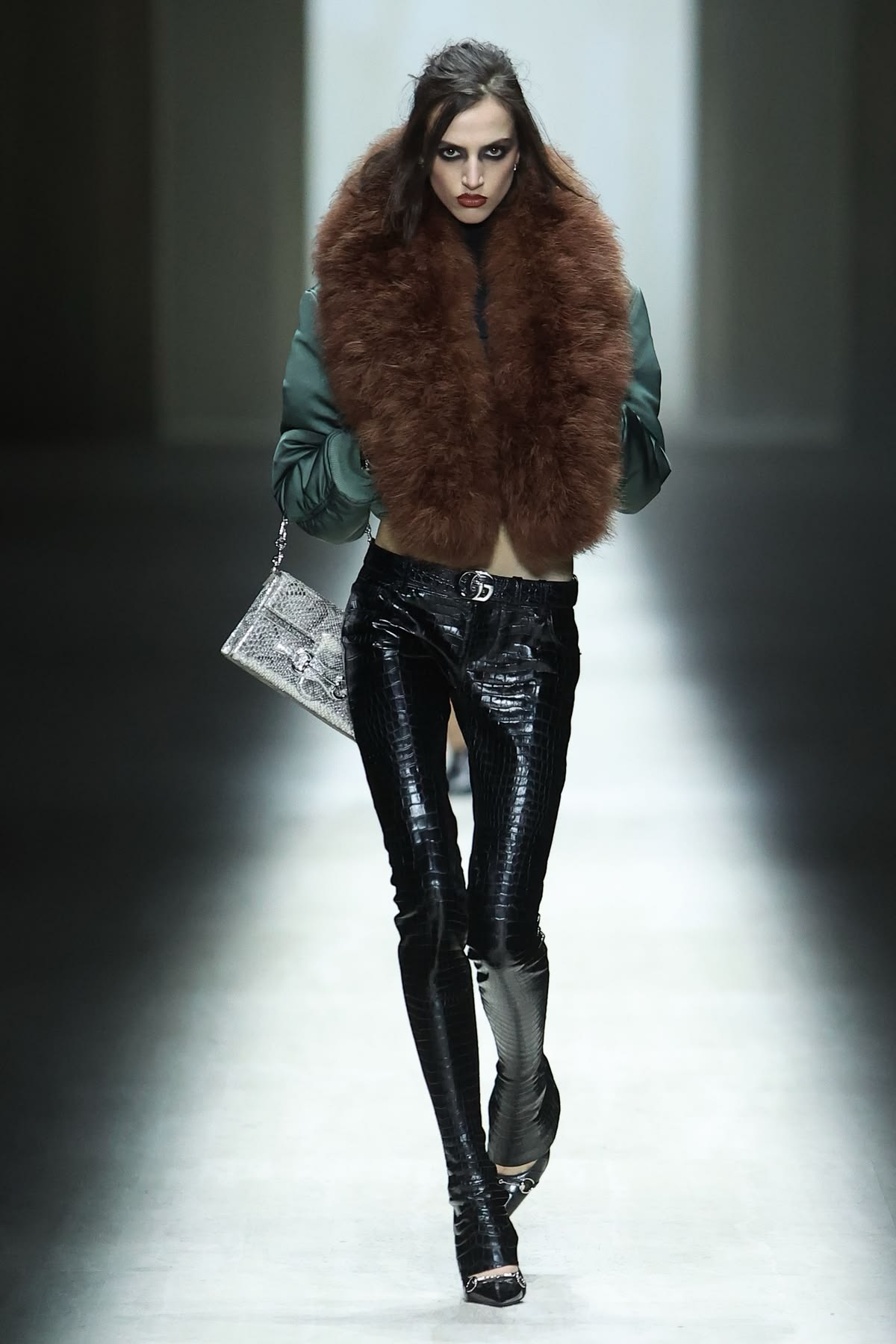
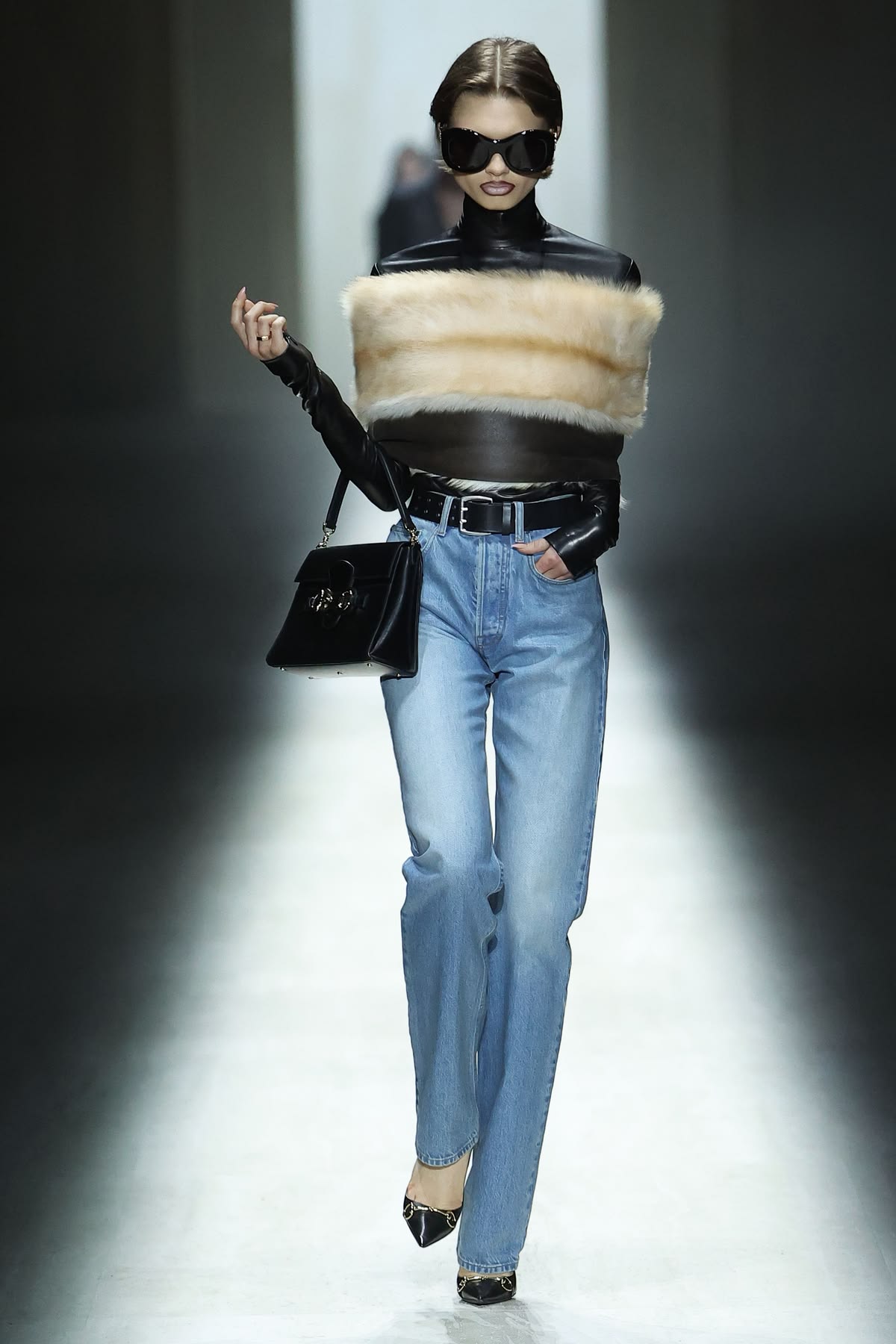
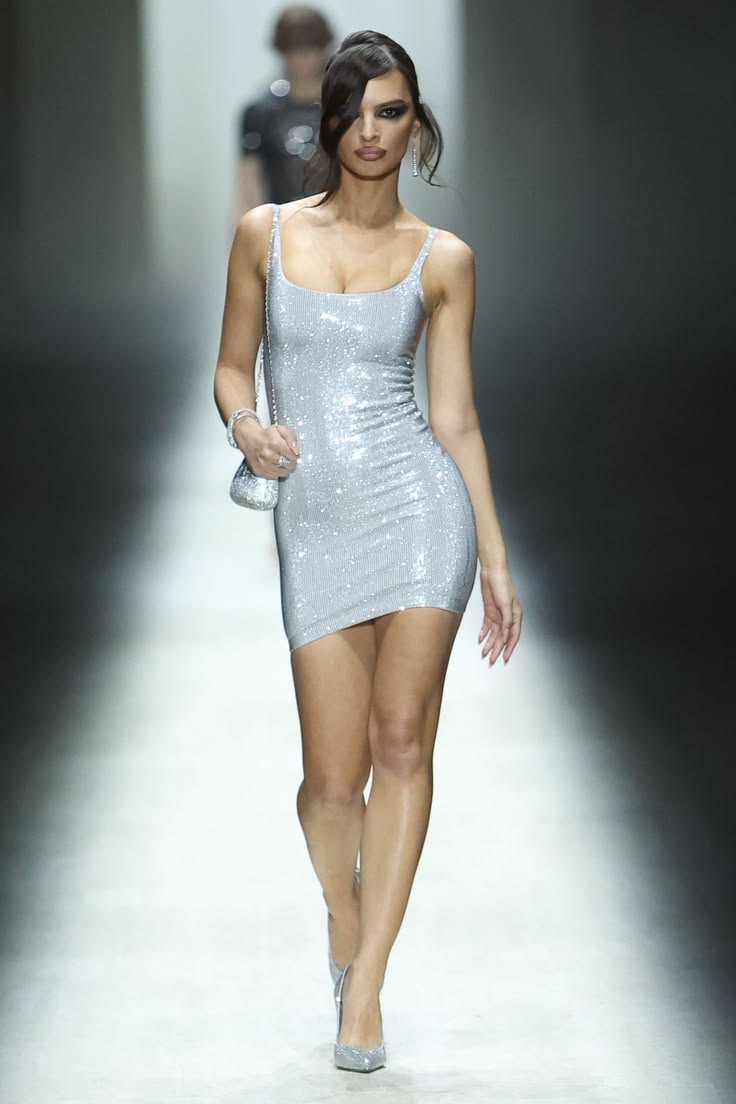
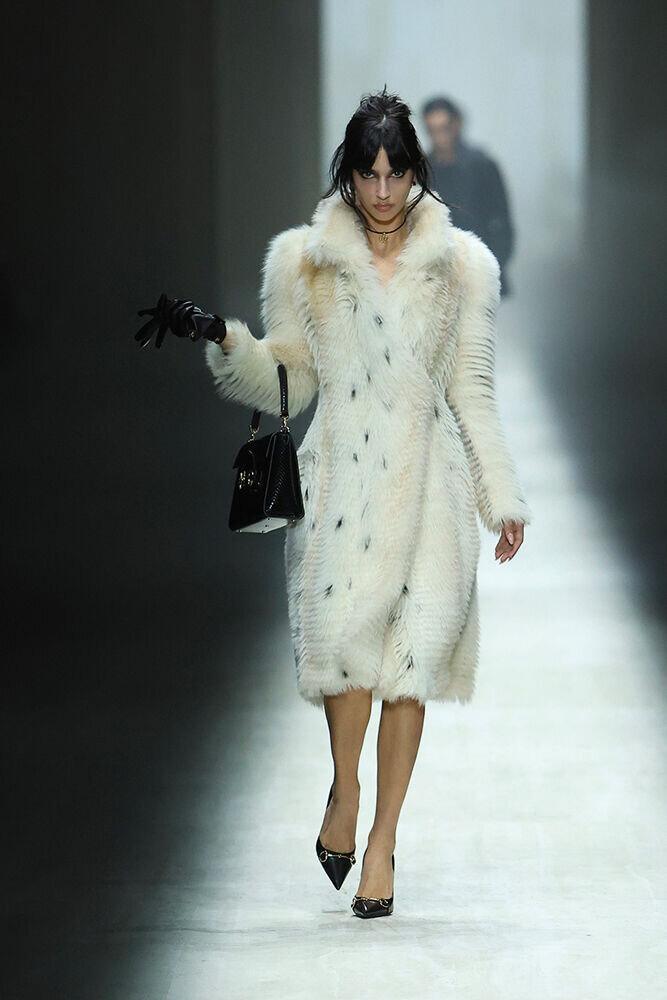
Demna’s appointment therefore signaled more than a change in creative direction. It suggested a larger correction. His debut collection did not attempt to continue Gucci’s brief experiment with subtlety. It returned instead to a language the house has long understood at its most powerful: sexuality, glamour, confidence, and unapologetic visibility.
Not restraint.
Not understatement.
Desire.
Some critics dismissed the show as provocation. Others read it as nostalgia. But viewed through a marketing lens, the strategy becomes clearer. Luxury has never been built on product alone. It is built on longing, identity, aspiration, and the fantasy of being seen differently once something is worn, carried, or entered into.
Demna’s Gucci appears to understand that. More importantly, it appears willing to use it.
A Strategic Return to Seduction
Gucci has confronted this kind of crisis before.
In the early 1990s, the house had become commercially weakened and culturally diffuse. Its transformation began when Tom Ford assumed creative leadership in 1994 and rebuilt Gucci through an aesthetic of calculated sensuality. Ford did not simply design collections. He constructed a world, one built through image, attitude, sex appeal, confidence, and control.
Consumers were not buying garments alone.
They were buying access to a fantasy.
That distinction matters. Luxury does not persuade through utility. It persuades through emotional and symbolic value. The object is only part of the exchange. What is really being offered is a version of the self that feels more magnetic, more powerful, more visible, and more desired.
That was the force behind Gucci’s rise under Ford, and Demna’s debut suggests a similar strategic instinct. Rather than extending the house’s quieter turn, he reintroduced a visual language centered on seduction. The body returned to the center. So did glamour. So did the knowing excess that has historically made Gucci culturally potent.
The message was immediate and unmistakable. Aspiration had become physical again.
The Body as Status
One of the clearest signals in the collection was the body itself.
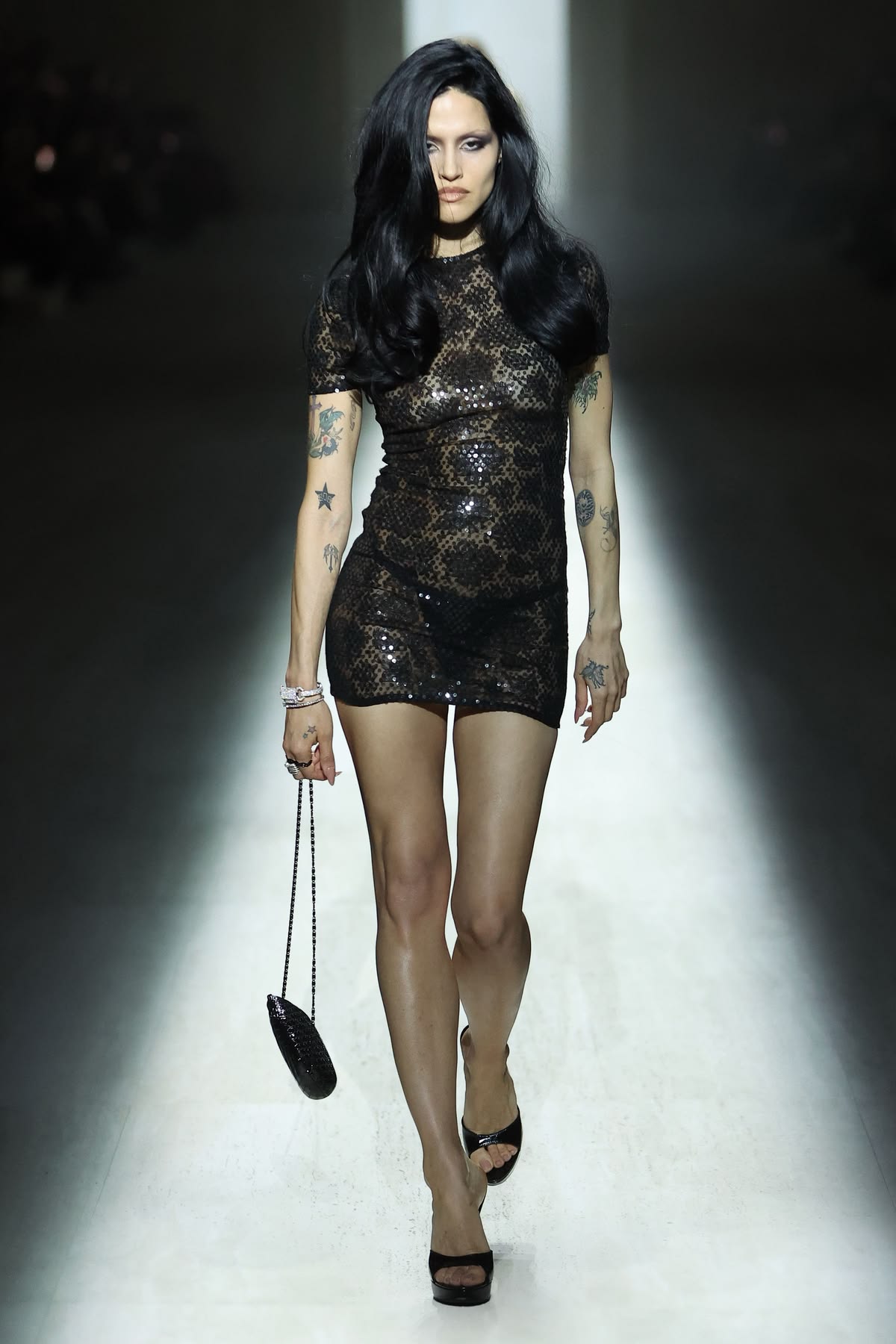
At Balenciaga, Demna often worked through distortion, protection, irony, and exaggerated volume. Here, the effect was different. Dresses clung like hosiery. Jackets cut sharply at the waist. Trousers carried sculptural force, but the silhouette overall pulled attention back toward the body rather than away from it. Clothing did not conceal. It amplified.
That matters because in luxury fashion, the body is never neutral. It functions as a site of projection for confidence, desirability, control, fantasy, and status. When the body is made central, the brand is no longer only selling image. It is selling proximity to a feeling, a charge, a possibility.
This is where the strategy moves beyond provocation for its own sake. Sexuality, in this context, is not simply there to shock. It operates as a mechanism of desire. It captures attention, yes, but more importantly, it creates an emotional atmosphere around the brand. One in which the wearer is not passive, hidden, or restrained, but fully visible and fully in command of how that visibility is used.
That is not a small shift. It changes the temperature of the house.
Desire in a Social Media Era
Demna’s Gucci also arrives within a media environment that rewards immediacy, recognizability, and visual charge.
Runway shows no longer live primarily through editors or print coverage. They move through Instagram, TikTok, repost culture, reaction, and accelerated interpretation. Imagery is no longer received slowly. It is circulated instantly, debated publicly, and absorbed through repetition.
In that environment, fashion has to do more than present itself. It has to travel.
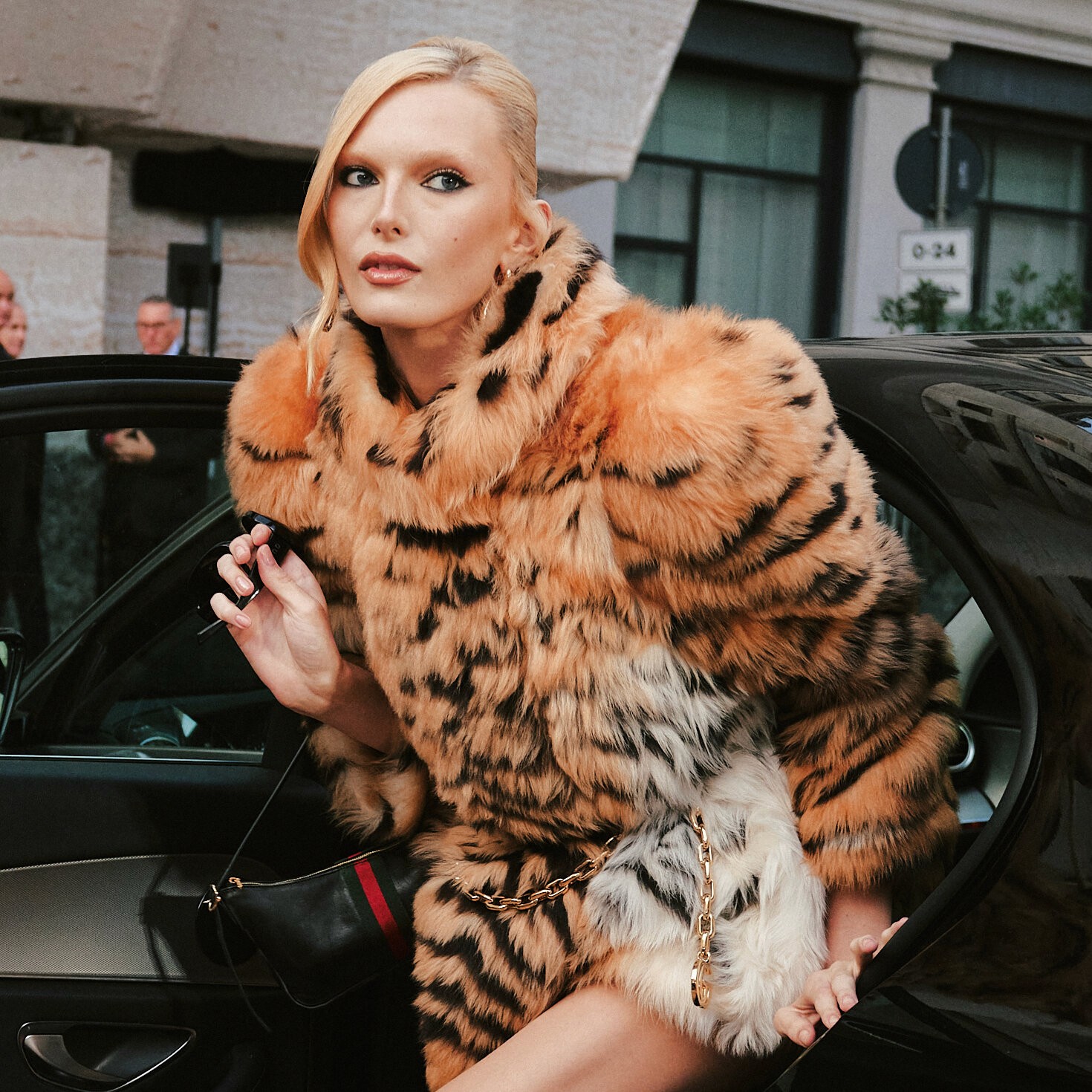
The show understood that. Casting, styling, and image construction all reflected a fluency with the visual codes that already dominate digital beauty culture. Confidence. Exposure. Hyper-visibility. A sharpened sense of self as performance. The runway did not feel detached from the online landscape. It translated it.
For younger viewers especially, this did not read as scandalous. It read as familiar. The aesthetics of seduction are already embedded in contemporary digital life. Demna simply brought that language back into luxury with greater force and with Gucci’s heritage behind it.
That makes the move commercially intelligent. In a saturated attention economy, visibility is not incidental. It is part of the value proposition. The brands that command attention most effectively are often the ones that re-enter cultural conversation fastest.
And Gucci, quite clearly, has re-entered it.
The Risk Within the Strategy
Still, visibility and desirability are not the same thing.
Provocation can create conversation, but conversation alone does not guarantee long-term brand heat. Spectacle can pull focus. It can accelerate reach. But if the image begins and ends at reaction, the strategy weakens. Luxury requires more than attention. It requires sustained aspiration.
That is where the risk lies.
The divided response to Demna’s debut reflects this tension precisely. For some, the collection felt like a necessary restoration of glamour, confidence, and erotic power, a return to the conditions under which Gucci has historically been most magnetic. For others, it felt excessive, too referential, or too dependent on shock.
Both readings matter.
Luxury brands live in a delicate balance between intensity and overexposure. Push too far into provocation and the image can flatten into spectacle. Pull too far into restraint and the house can disappear into irrelevance. The challenge is not simply being seen. It is being desired in a way that feels culturally alive and commercially durable.
That is the real question now facing Gucci. Not whether people are paying attention, but whether the mythology Demna is rebuilding can hold.
Watched Into Want
Demna’s debut made one thing clear. Gucci is no longer attempting to be quiet.
By revisiting the codes of seduction, glamour, and power that once made the house culturally dominant, and by adapting them to a media landscape shaped by speed, visibility, and digital performance, he has repositioned Gucci as a brand willing to pursue desire directly again.
Whether that produces lasting commercial success remains to be seen.
But something meaningful has already shifted.
Gucci is being watched again.
And in luxury fashion, being watched is often the first step toward being wanted.