The Pilates Girl Aesthetic
Reformer Studios, Matcha Rituals, and the Soft Power of Wellness Culture
Wellness Culture
Identity Signaling
Aspiration Branding
Over the past few years, Pilates has moved from a niche fitness practice into one of the clearest visual codes of contemporary wellness culture.
Reformer studios have multiplied across major cities. Classes book weeks in advance. Social media feeds fill with carefully composed routines, soft lighting, minimalist interiors, controlled movement, and bodies framed through precision rather than intensity.
Among younger women especially, Pilates has become more than a workout.
It has become a ritual.
At first glance, its rise can look like a simple shift in exercise preference. But the scale of its visibility suggests something more significant. Fitness trends have always moved in cycles. Spin classes had their moment. High-intensity training had its own. Running clubs continue to carry a particular kind of social currency. But Pilates occupies a different symbolic space.
It communicates discipline without aggression.
Strength without excess.
Wellness without spectacle.
In the visual language of contemporary culture, Pilates has become one of the clearest expressions of a highly curated lifestyle. The more important question, then, is not simply why Pilates is popular. It is why Pilates has become so culturally resonant now.
Why this form of movement, with its emphasis on control, alignment, and composure?
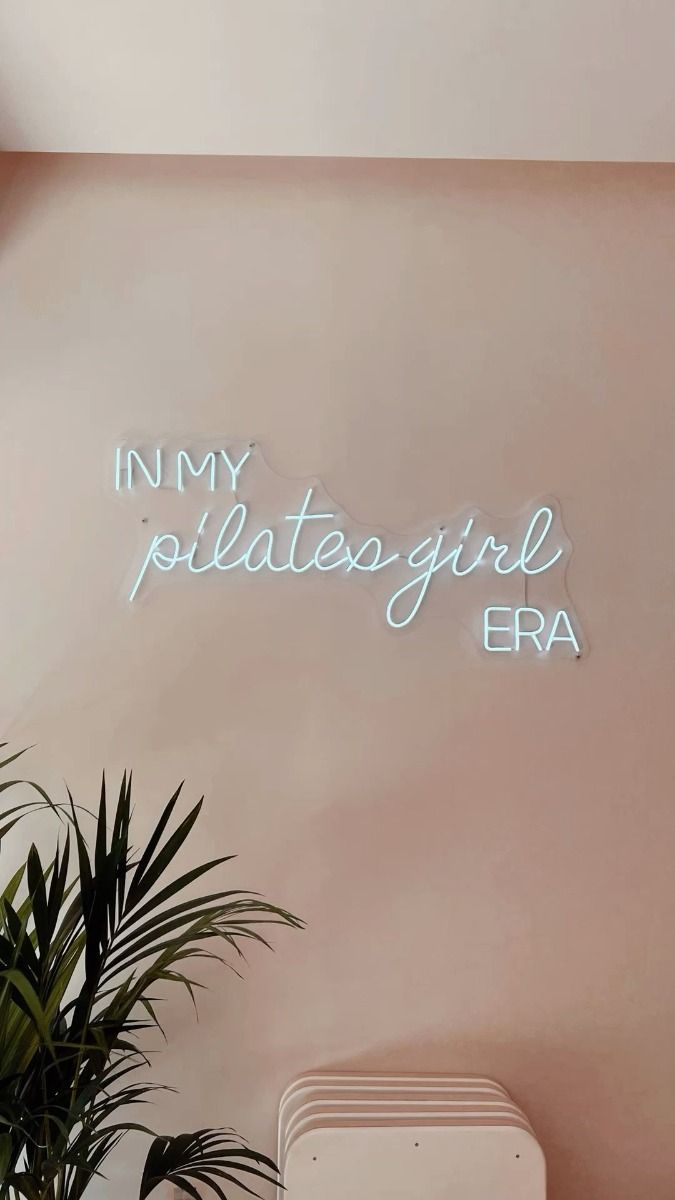
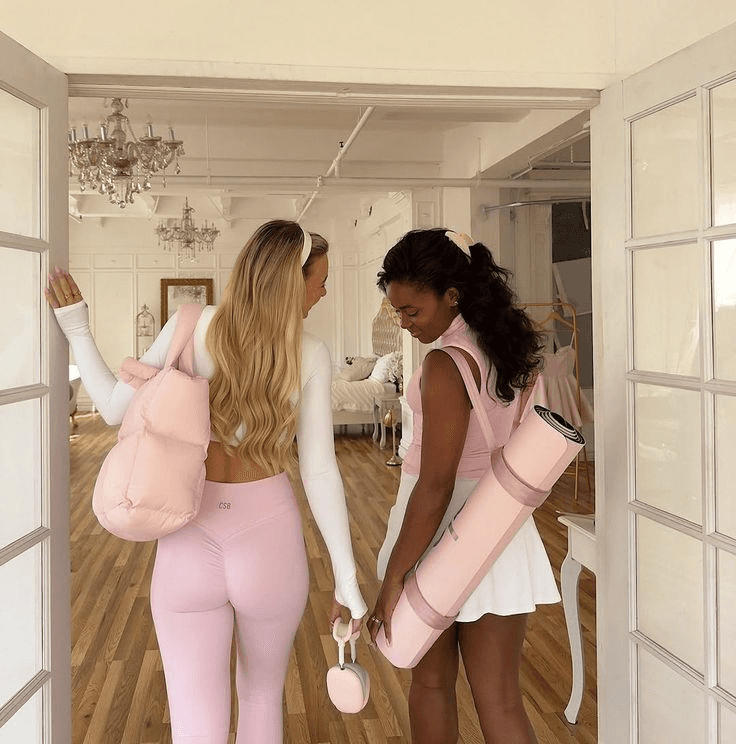
The answer reveals something broader about the relationship between wellness, identity, and social media. Pilates has become one of the social media era’s most elegant status signals, a form of wellness that communicates discipline, femininity, and quiet luxury while signaling belonging within a specific cultural aesthetic.
Wellness as Identity
To understand the rise of Pilates, it helps to look beyond fitness itself.
Something larger has shifted in how people relate to wellness. Health and wellbeing are no longer treated only as personal goals. They have become central to how identity is performed, organized, and displayed. Time, money, routine, and attention increasingly revolve around practices that signal care, self-management, and intentional living.
Wellness is no longer a niche category.
It has become a defining cultural priority.
For younger consumers especially, this shift is deeply visible. Exercise, food rituals, recovery habits, supplements, skincare, and morning routines now function as more than private acts of self-improvement. They form an outward narrative about values, discipline, and lifestyle.
Not simply habits.
Identity.
This is part of why Pilates carries so much weight. It does not exist as an isolated workout. It sits inside a wider cultural system in which wellbeing has become both personal practice and social signal.
The Rise of Boutique Fitness
Pilates is also tied to a broader transformation within the fitness industry.
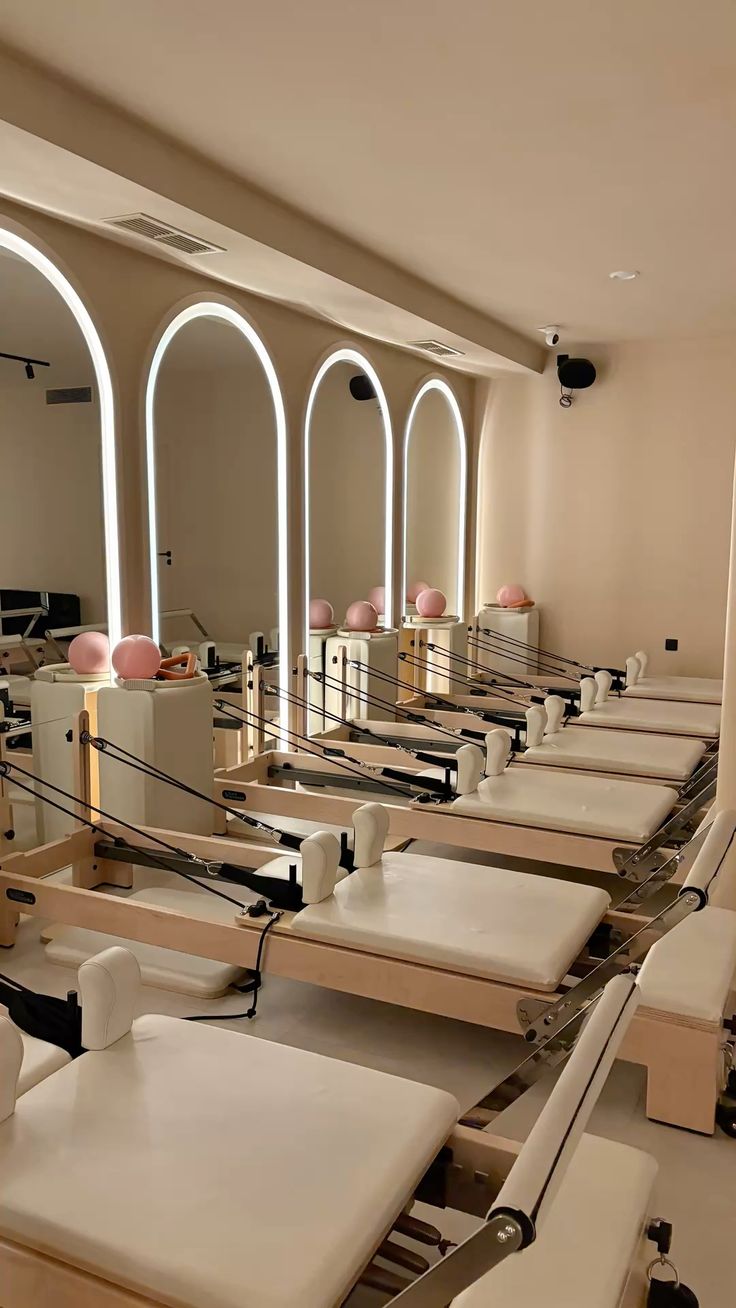
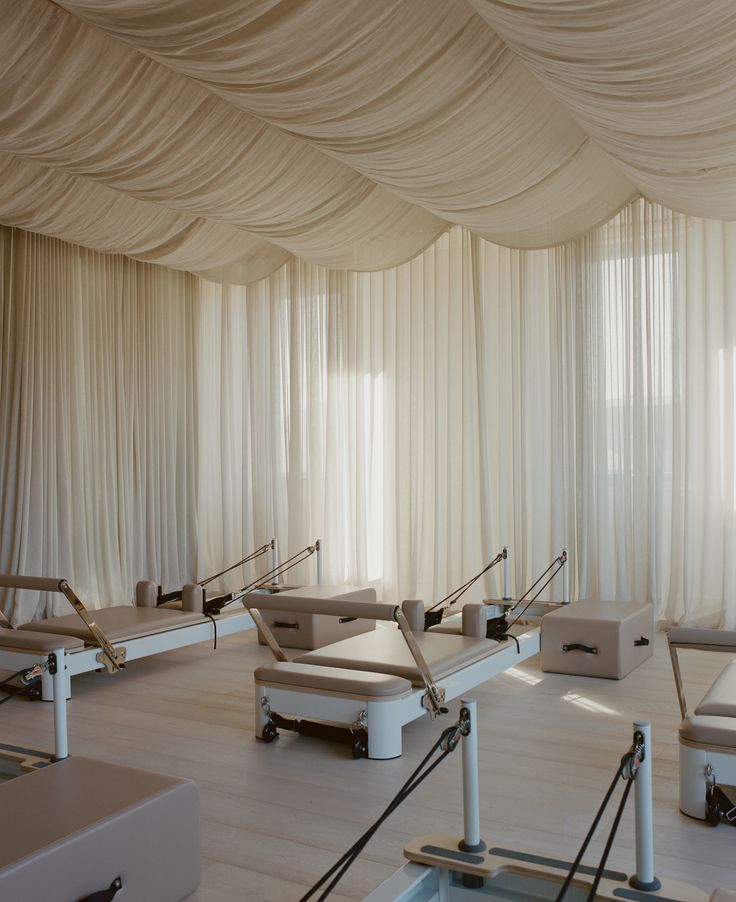
Over the past decade, traditional gyms have increasingly given way to boutique studios, smaller and more specialized environments built around curation rather than volume. The shift is not only functional. It is atmospheric. Lighting changes. Architecture changes. Music changes. Instruction changes. Exercise begins to feel less like routine and more like immersion.
This matters because boutique fitness does not simply offer movement. It offers environment. A studio becomes more than a place to work out. It becomes a space people identify with, return to, and fold into their sense of self.
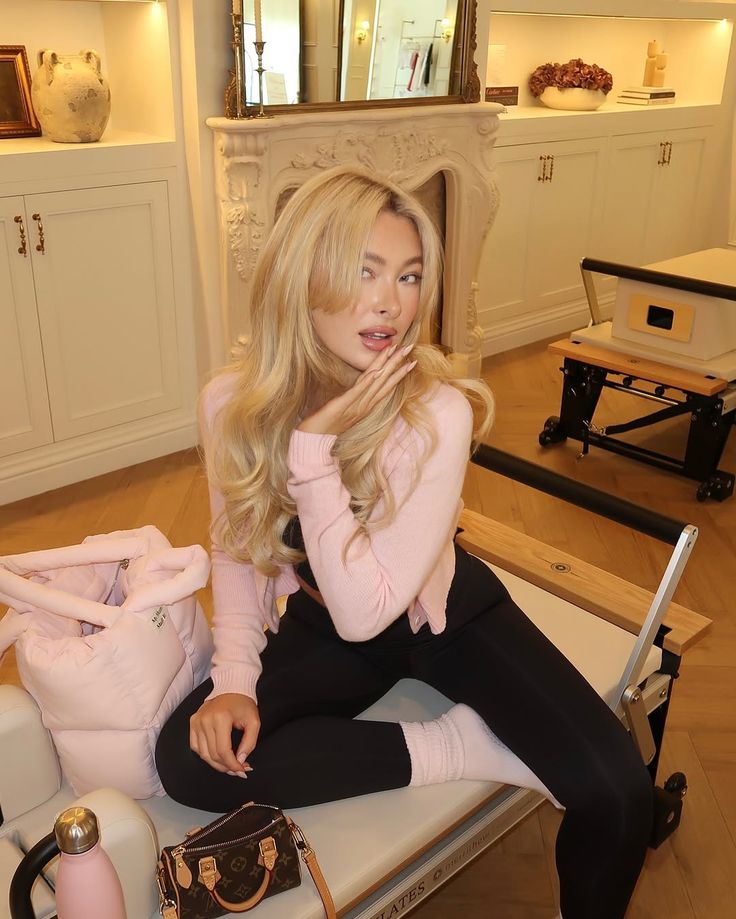
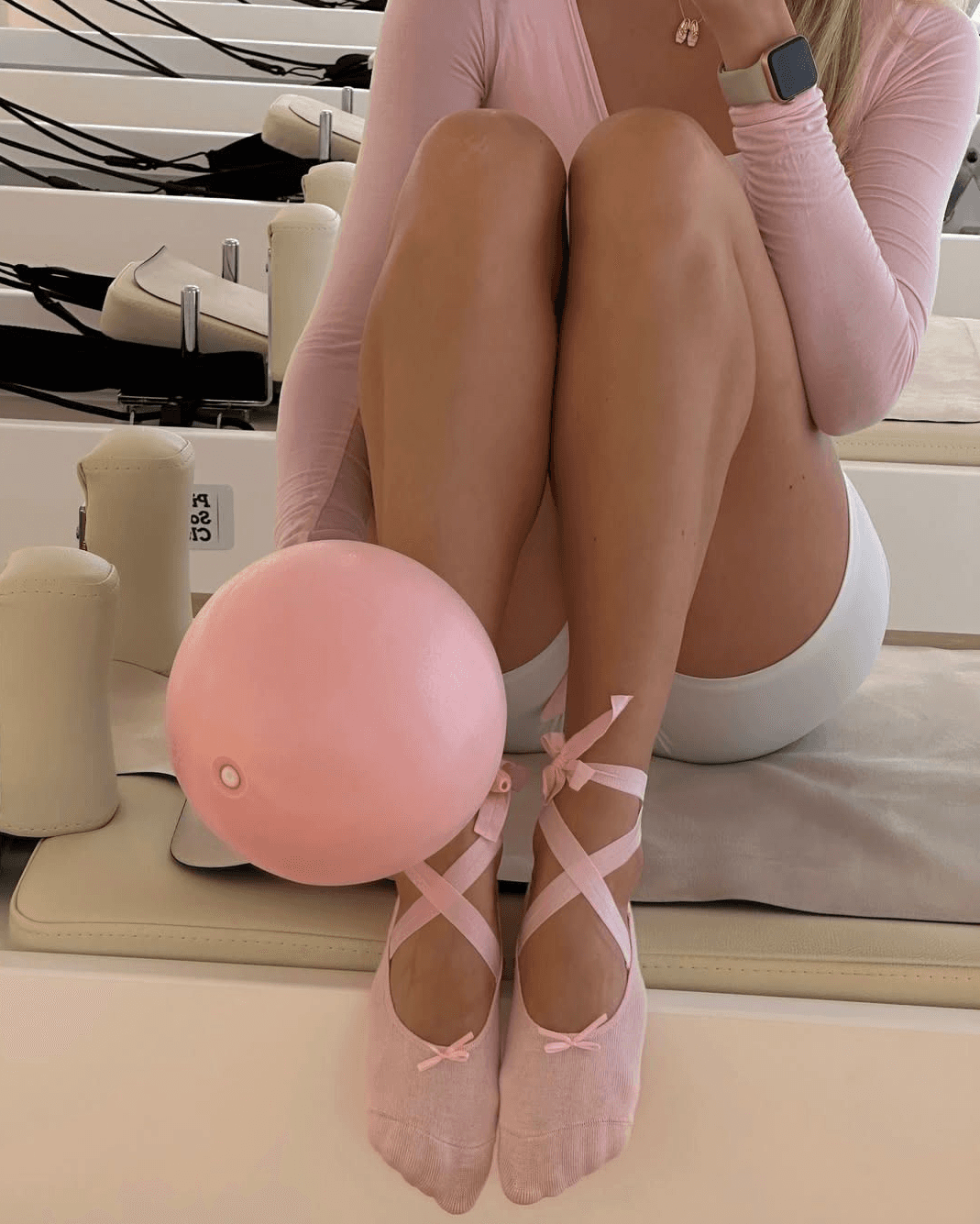
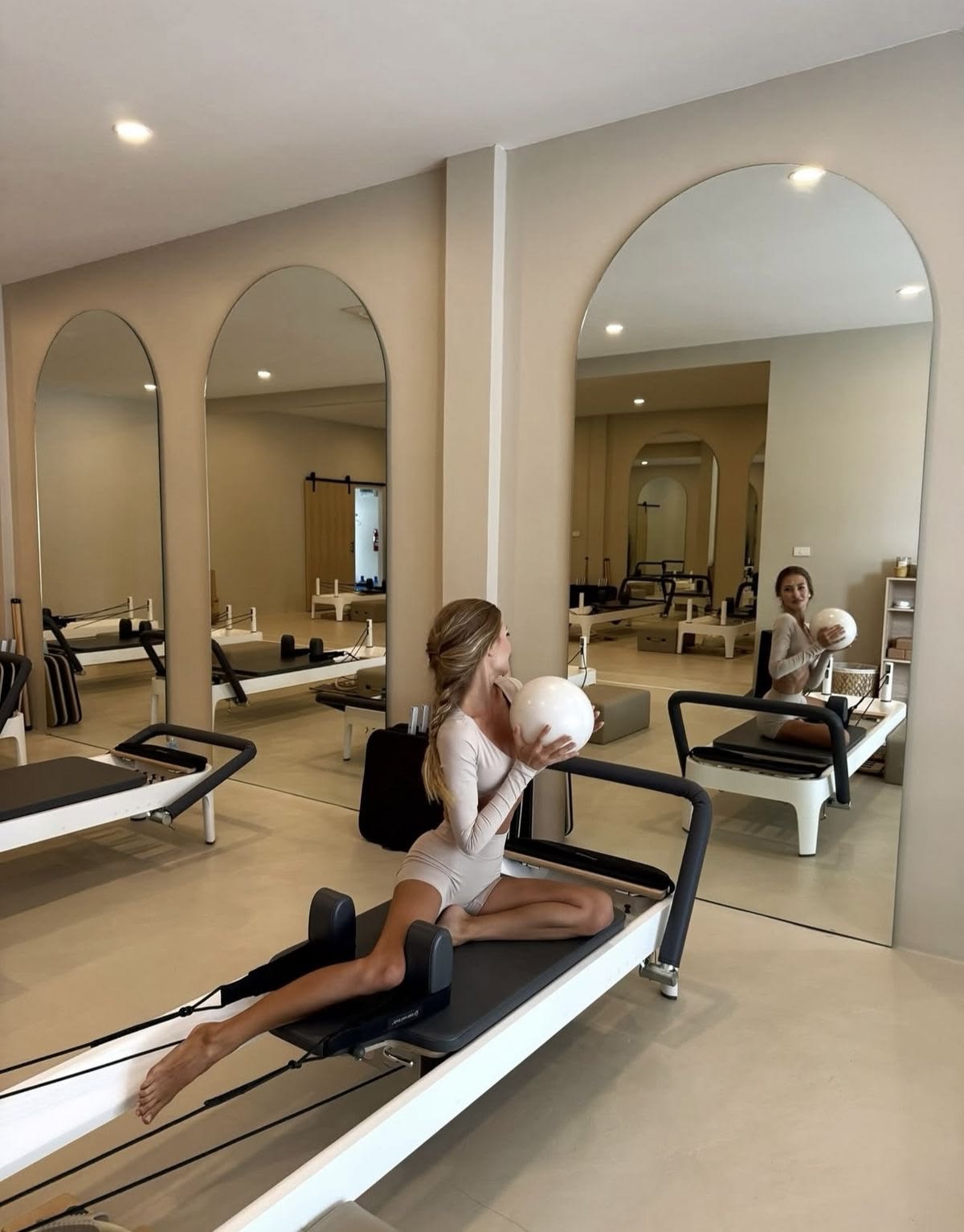
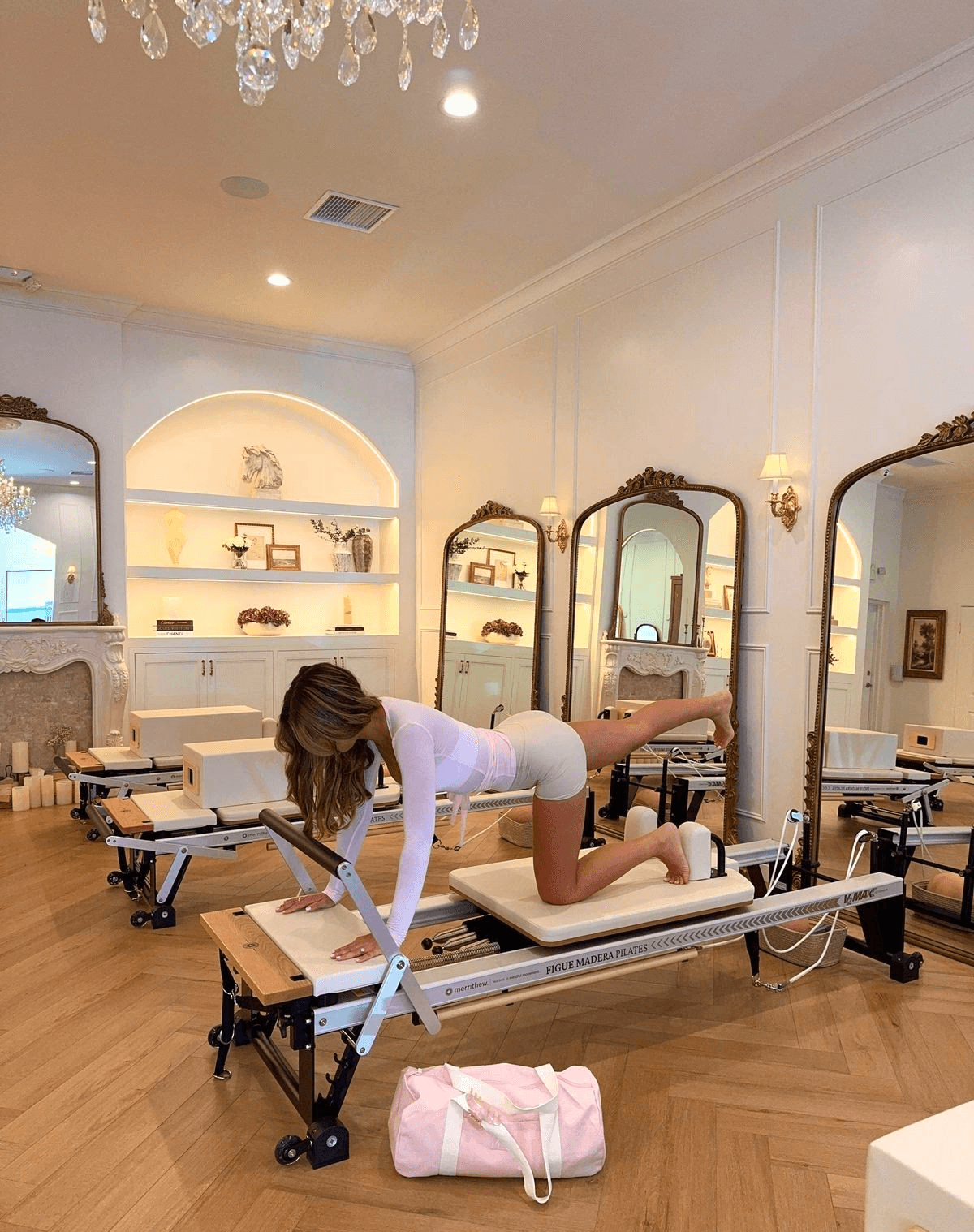
Pilates fits especially well within that structure. Reformer machines, controlled pacing, quiet interiors, and highly considered spaces all contribute to the feeling that the class is not only physical, but aesthetic and cultural. Unlike running or lifting, Pilates often depends on a dedicated setting. That exclusivity matters. It turns the practice into a destination.
And once a workout becomes a destination, it begins to carry a different kind of meaning..
Why Pilates, Specifically
Every fitness trend communicates something beyond exercise.
CrossFit signals intensity.
Weightlifting signals force.
Running signals endurance.
Pilates signals control.
Its movements are small, precise, and deliberate. Strength develops gradually rather than explosively. From the outside, the effort appears calm, even graceful, despite the concentration and endurance it actually requires.
Composed.
Controlled.
Intentional.
That visual language is part of the appeal. The idealized outcome associated with Pilates is not only physical, but symbolic. Improved posture. Balanced strength. Lengthened lines. The body becomes evidence of discipline that appears effortless rather than aggressive.
This is where Pilates aligns so closely with contemporary ideas of feminine power. It does not communicate dominance. It communicates self-command. A kind of authority expressed through calibration, consistency, and control.
That distinction is culturally important. It allows Pilates to function not only as exercise, but as a visual and behavioral expression of a particular kind of modern femininity.
The Social Media Stage
If Pilates communicates a lifestyle, social media provides the stage on which that lifestyle becomes legible.
Platforms like Instagram and TikTok have transformed wellness from a private activity into a visible cultural practice. Workouts are no longer simply completed. They are documented, framed, and folded into broader narratives of identity.
Pilates translates perfectly into this environment.
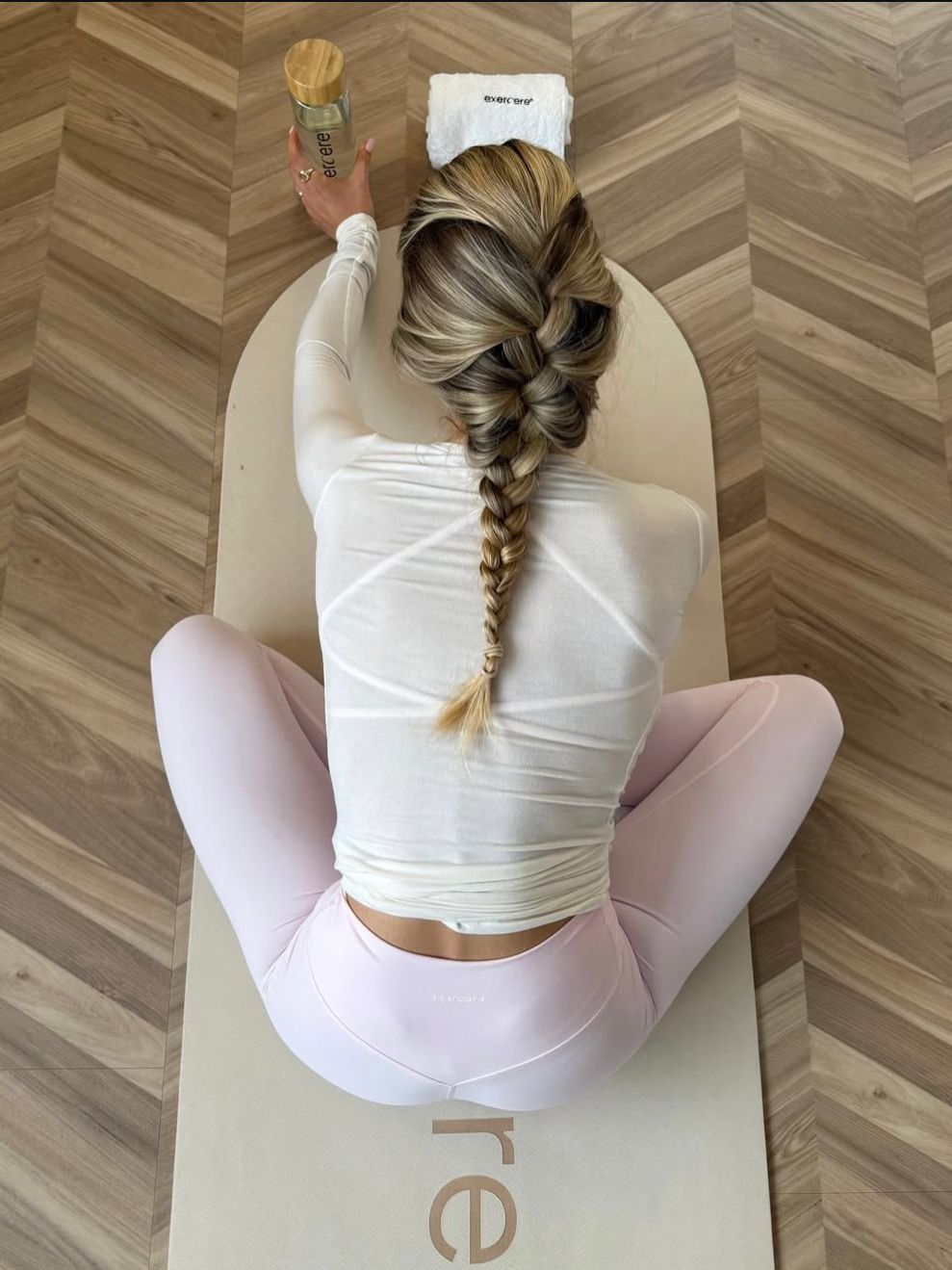
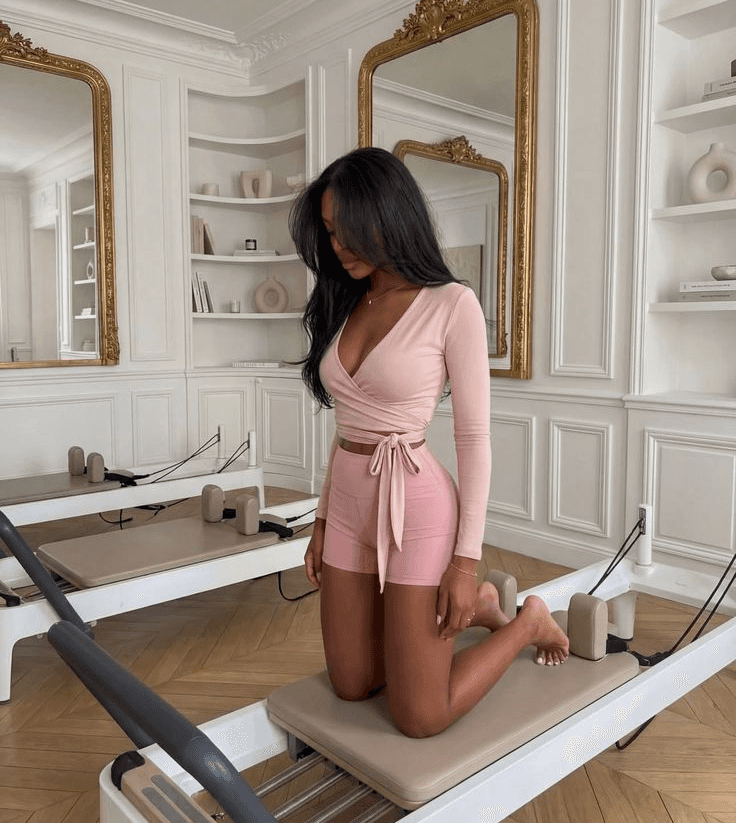
The reformer machine is visually recognizable. The studio is often minimal and highly composed. The movement itself is controlled and photogenic. Nothing feels chaotic. Nothing feels harsh. The aesthetic arrives already intact.
Pilates classes rarely appear online as raw exertion.
They appear as lifestyle images.
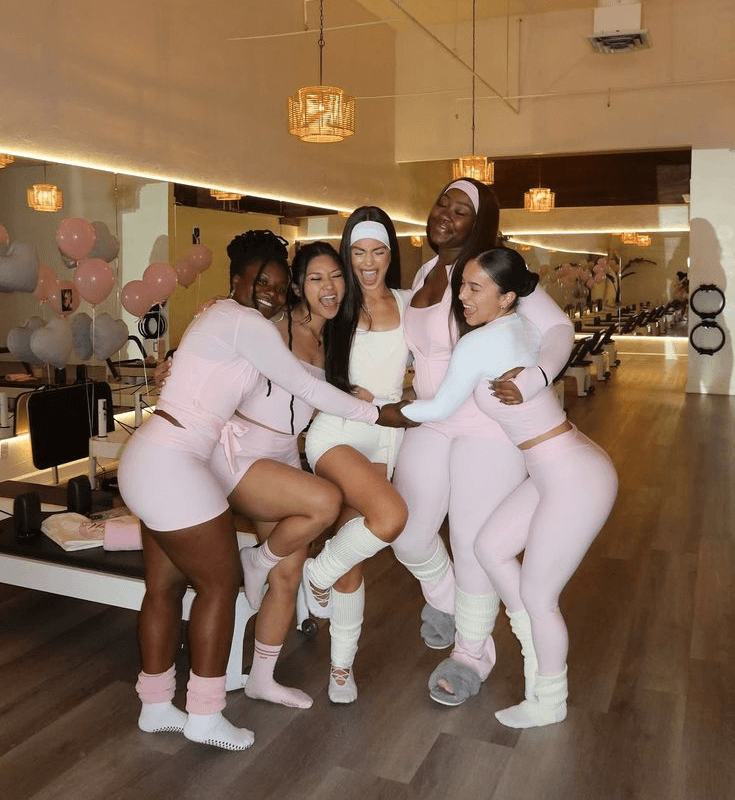
That distinction matters. Once fitness is absorbed into the logic of visual culture, it begins to communicate far more than physical activity. Posting Pilates does not simply say, “I worked out.” It suggests discipline, self-investment, aesthetic alignment, and familiarity with a very particular world.
In that sense, Pilates is not only practiced.
It is performed, interpreted, and socially understood.
The Soft Power Wellness Aesthetic
Pilates becomes even more meaningful when viewed alongside the wider rituals that now define contemporary wellness culture.
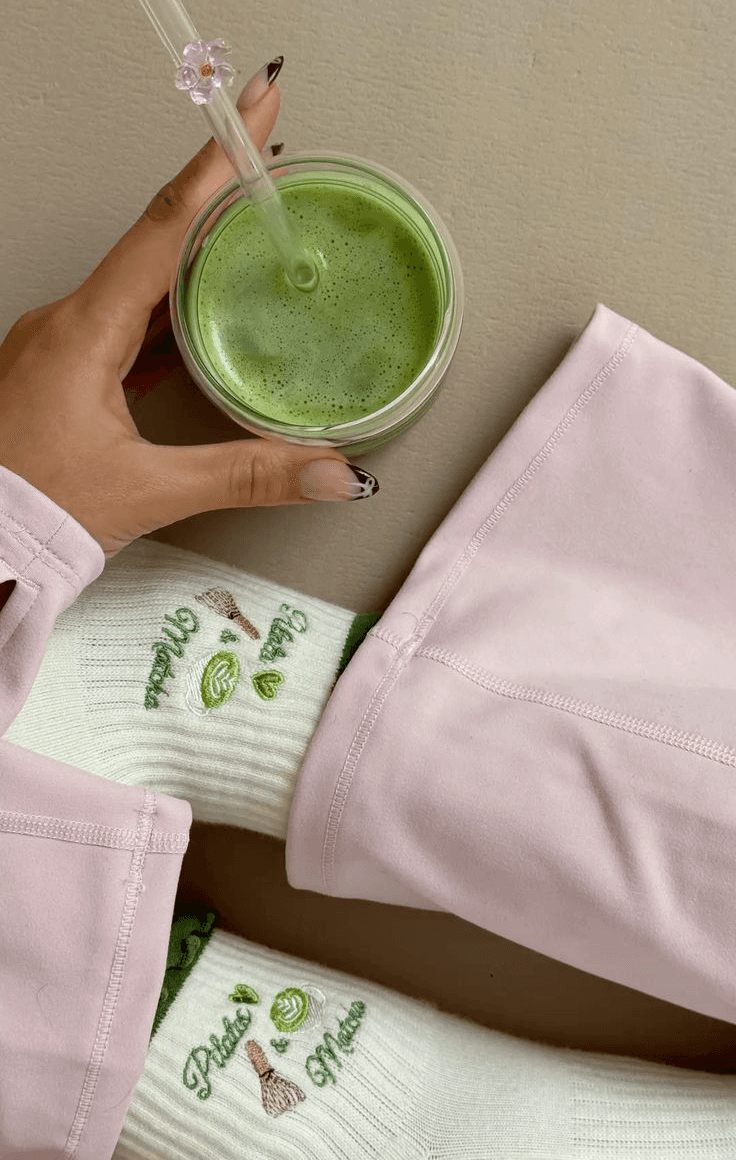
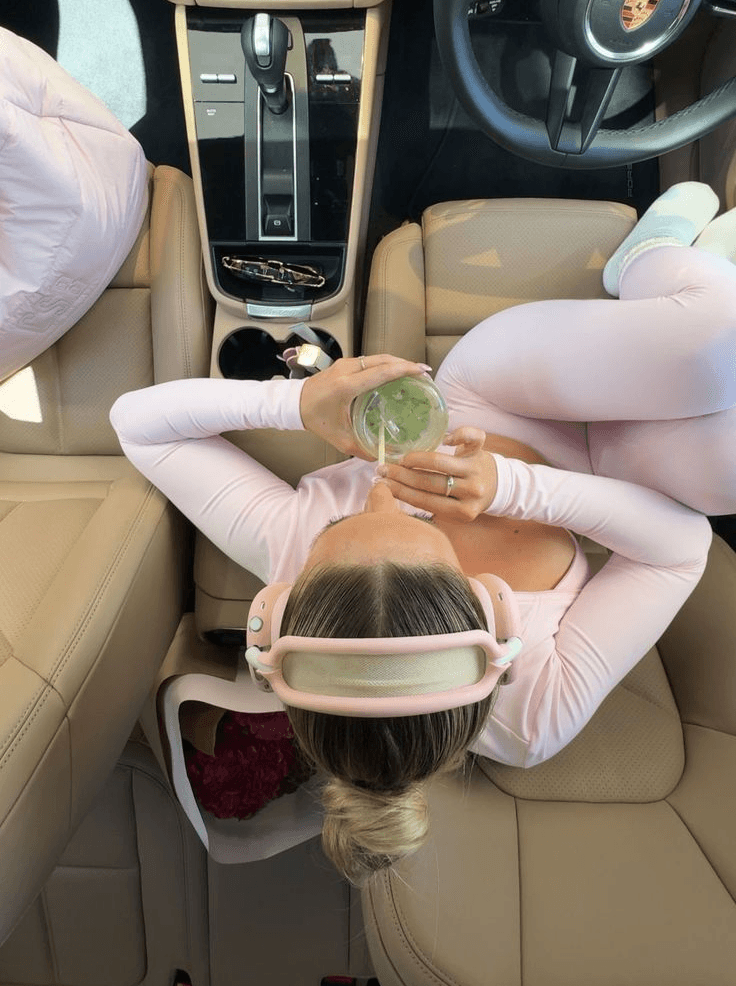
Morning matcha.
Hot girl walks.
Skincare rituals.
Supplements.
Infrared saunas.
Carefully documented routines of care and control.
Together, these habits form a recognizable aesthetic. One rooted less in overt luxury than in subtle signals of discipline, consistency, and refinement. Status is no longer communicated only through visible logos or conspicuous consumption. Increasingly, it is expressed through routine.
This is what makes the current wellness aesthetic so powerful. It presents aspiration through softness. Through composure. Through the appearance of a life carefully held together.
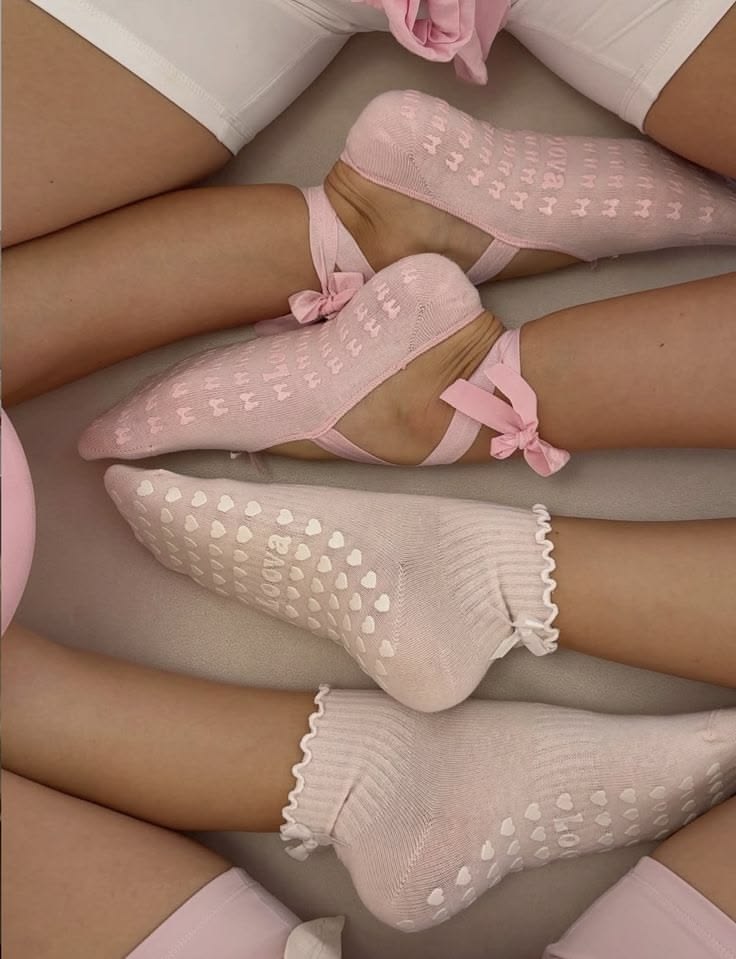
Pilates sits at the center of that system because it reflects all of its key values. Patience. Precision. Repetition. Control. It rewards consistency and makes that consistency visible.
Participating in Pilates therefore signals more than fitness.
It signals belonging.
The Status of Self-Control
Fitness trends will continue to evolve. Barre had its moment. Spin had its own. Pilates may eventually share space with whatever comes next.
But focusing only on the lifecycle of the workout misses the deeper shift.
What has changed is not simply exercise preference. It is the role wellness now plays in contemporary identity. Where people work out, what they drink, how they spend their mornings, which rituals they repeat, all of these have become part of a visible language of selfhood.
Within that language, certain practices rise above others because they communicate more than utility. They become symbolic anchors.
Pilates is one of them.
In the visual and social logic of this moment, it expresses success through control rather than excess. It communicates aspiration through refinement rather than display. Its popularity says less about exercise itself than about the cultural values currently shaping beauty, femininity, discipline, and status.
Pilates happens to embody those values with unusual clarity.
At least for now.